Type
Native
Sunlight Type
Full Sun, Part Sun / Shade, Full Shade
Soil Type
Average, Rich & Moist
Attracts
Birds
Benefits
Deer Resistant, Deer/Rabbit Resistant, Rabbit Resistant
Spicebush
The Aromatic Butterfly Host
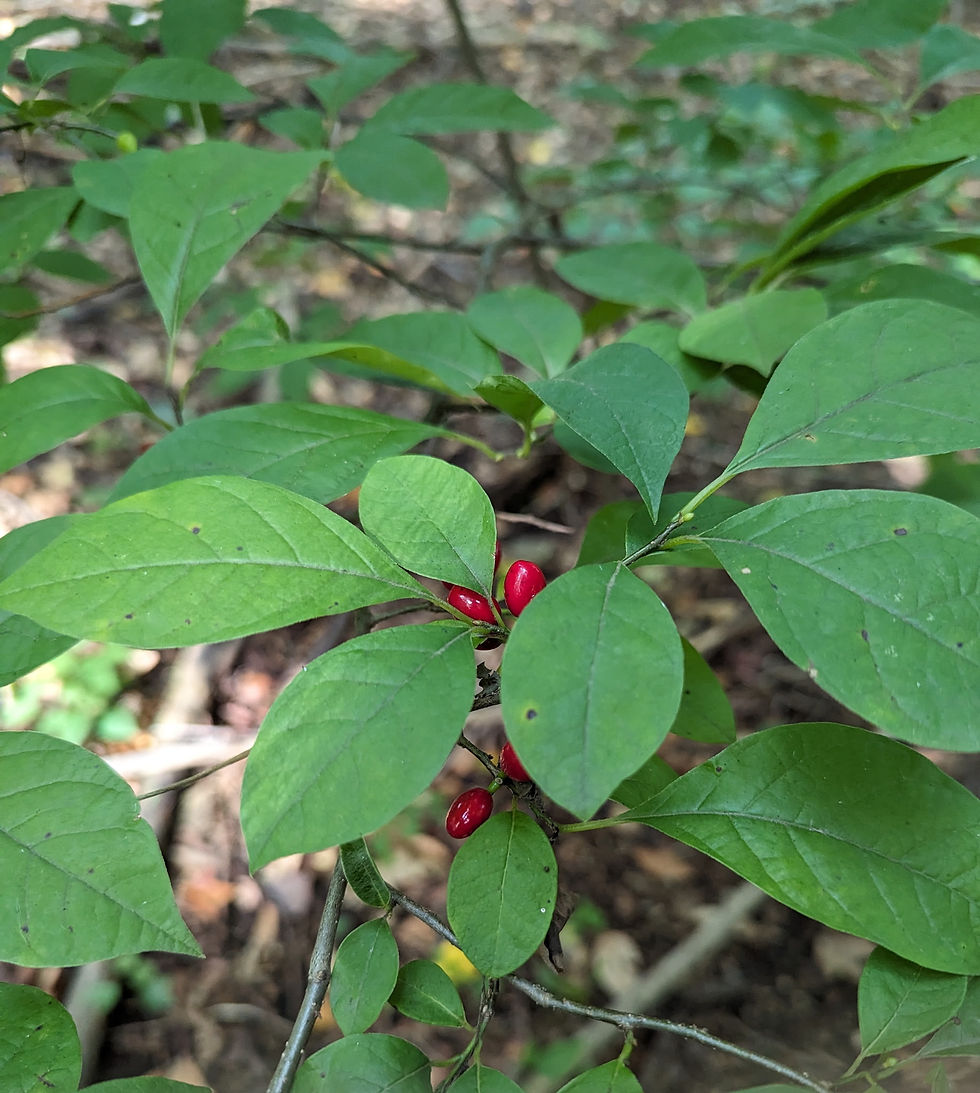
Spicebush (Lindera benzoin) gets its name from its leaves and twigs, which smell spicy and citrusy when crushed (historically used for tea). In early spring, it is covered in a yellow haze of tiny flowers. In fall, female plants produce brilliant red berries that are high-energy fuel for migrating birds.
Why You Need It:
- Swallowtail Host: The primary host plant for the Spicebush Swallowtail butterfly.
- Shade Tolerant: An excellent native shrub for the understory of large trees.
- Fall Color: The leaves turn a clear, glowing yellow in autumn.
Planting Tips:
Plant in Part Shade to Sun. It loves moist, rich soil. You need both a male and a female plant to get the red berries.
Our Landscape Designer's Take
The Native Alternative to Forsythia: If you live near a wooded lot in Buchanan, Spicebush is your best friend. It offers the same early-spring yellow glow as Forsythia but is a native powerhouse. It is the exclusive host for the Spicebush Swallowtail butterfly, making it essential for any Pollinator Garden.
Shade and Moisture Solution: We specifically recommend Spicebush for low-lying, damp areas or under the canopy of large trees where most shrubs struggle. Its aromatic leaves and red berries (on female plants) provide interest through fall. It pairs beautifully with Virginia Bluebells for a classic spring woodland look.